AFT Fund Long-term investing, explained clearly.

AFT Fund

Long-term investing, explained clearly.

Latest Articles

The Envelope Is Thinner: Reading a Condensed Fund Report Without Missing the Ledger
Fund Costs

The Envelope Is Thinner: Reading a Condensed Fund Report Without Missing the Ledger

Condensed shareholder reports put the essentials up front, but the short format can obscure the context a long-term fund investor needs. This guide explains how to read the summary alongside the prospectus and financial statements, and which questions to ask before filing it away.

The Dividend That Shrinks in Transit: Reading a Global Fund’s Foreign Tax Ledger
Fund Costs

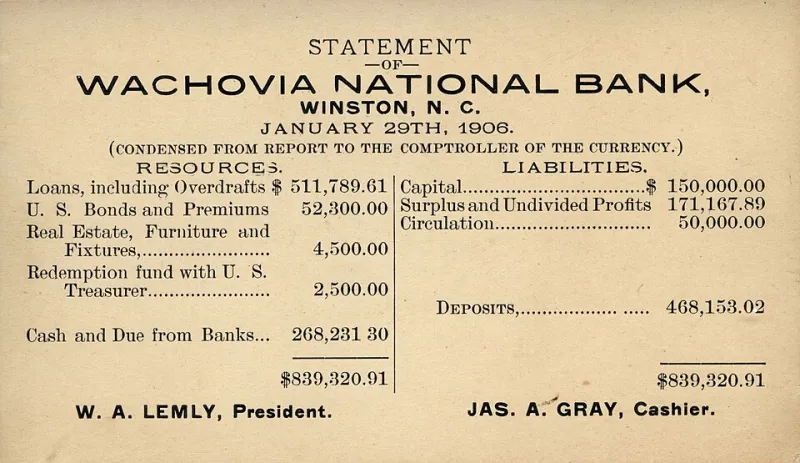
The Dividend That Shrinks in Transit: Reading a Global Fund’s Foreign Tax Ledger

Foreign dividends rarely reach a global fund at full value. This article shows long-term shareholders how to trace withholding taxes, treaty relief, and reclaims through a fund’s tax note—and how to judge whether recovery is being managed or merely endured.

Fair Value’s Paper Trail: How Fund Boards Price the Untraded
Stewardship

Fair Value’s Paper Trail: How Fund Boards Price the Untraded

Daily NAV assumes a market price, but some fund holdings do not trade every day. This article explains how valuation committees document fair-value decisions and what long-term shareholders can learn from those disclosures about stewardship and cost control.

The First Shares Out: How Cost-Basis Defaults Quietly Set Your Fund Tax Bill
Fund Costs

The First Shares Out: How Cost-Basis Defaults Quietly Set Your Fund Tax Bill

A fund redemption is not only a portfolio decision; it is also an accounting decision. The default cost-basis method on a fund account can determine which tax lots are sold, what gain or loss is realized, and how much after-tax value remains for the long-term investor.

Renting the Ruler: How Benchmark Rights Are Billed to Fund Shareholders
Fund Costs

Renting the Ruler: How Benchmark Rights Are Billed to Fund Shareholders

A fund’s benchmark is not merely a measuring stick; it is often a licensed product with a contract, a fee schedule, and renewal terms. This article explains where index licensing costs appear in fund filings, how they can differ between mutual funds and ETFs, and why long-term shareholders should treat the benchmark name as part of the cost structure.

Borrowed Yield: Tracing a Fund's Financing Bill Through the Distribution Rate
Fund Costs

Borrowed Yield: Tracing a Fund's Financing Bill Through the Distribution Rate

A distribution rate tells you what a fund pays, not how it earned the money. When a portfolio leans on bank lines, reverse repurchase agreements, or total-return swaps, the financing bill sits in the financial statements and its cost has to be compared with the income it produces. This guide shows long-term shareholders where to look and what to compare.

The Waiver's Sunset: Reading a Fund's Fee Table for Costs That Return
Fund Costs

The Waiver's Sunset: Reading a Fund's Fee Table for Costs That Return

A temporary fee waiver can make a fund's expense ratio look like a permanent bargain. The prospectus footnotes, the recoupment clause, and the annual report's waiver line tell a longer story—one that long-term shareholders should price before the discount expires.

The Second Ticker: What a Fund's ETF Sibling Changes in the Tax Ledger
Fund Costs

The Second Ticker: What a Fund's ETF Sibling Changes in the Tax Ledger

A mutual fund and its exchange-traded sibling can hold identical securities yet deliver different tax outcomes and trading experiences. Long-term investors should examine redemption mechanics, distribution history, and total costs before assuming the two tickers are interchangeable.

Who Paid for That Track Record? Reading a Fund's Incubation Ledger
Fund Costs

Who Paid for That Track Record? Reading a Fund's Incubation Ledger

A young fund's since-inception return often spans two very different eras: a private incubation funded by the adviser and a public life funded by shareholders. Reading the ledger of who absorbed costs, who owned the shares, and when the record became genuinely public is essential before treating a short track record as evidence of skill.

The Order Ticket as a Stewardship Document: When a Fund and Its Manager Buy the Same Stock
Stewardship

The Order Ticket as a Stewardship Document: When a Fund and Its Manager Buy the Same Stock

Overlapping holdings between a public fund and a manager-affiliated private account are not automatically a red flag. The more revealing question is how the adviser allocates orders when both vehicles want the same stock, and what the fund’s disclosures say about first fills, partial executions, and price.

The Exit Bill and Who Pays It: Dilution Controls in a Fund Prospectus
Fund Costs

The Exit Bill and Who Pays It: Dilution Controls in a Fund Prospectus

Swing pricing, redemption fees, and liquidity gates are designed to keep one shareholder’s exit from becoming everyone else’s expense. This article explains how those dilution controls work, who bears the trading bill during stress, and what long-term investors should look for in prospectus language and board disclosures.

The Renewal Docket: Reading the Board’s Case for Keeping Your Fund Manager
Stewardship

The Renewal Docket: Reading the Board’s Case for Keeping Your Fund Manager

Each year, a fund’s independent directors decide whether to renew the advisory contract — and their published reasoning is one of the few places shareholders can see fees, performance, and conflicts weighed together. This guide explains the 15(c) review in plain English and offers a practical checklist for judging whether the board’s case is substantive or boilerplate.

A Caveat in the Back Pages: Reading a Fund Auditor’s Opinion as a Stewardship Signal
Stewardship

A Caveat in the Back Pages: Reading a Fund Auditor’s Opinion as a Stewardship Signal

The auditor’s report rarely leads a fund annual report, but its wording can matter more than its placement. This guide explains how shareholders can distinguish routine language from a qualification, emphasis paragraph, or going-concern note—and what to ask the board before holding on.

A Fixed Share Count Changes Everything: How to Read Closed-End Fund Pricing
Fund Costs

A Fixed Share Count Changes Everything: How to Read Closed-End Fund Pricing

Closed-end funds trade on exchanges at prices that can diverge from the value of their holdings. That gap is information, not an automatic bargain. This guide explains NAV, premiums and discounts, leverage, distributions, and liquidity, with a checklist for long-term investors.

The Price of Readiness: Reading a Fund's Cash Buffer as an Option Premium
Fund Costs

The Price of Readiness: Reading a Fund's Cash Buffer as an Option Premium

A cash line on a fund statement can look like idle money, but it is usually the price of readiness. This article explains how to separate routine liquidity from strategic cash calls, measure the cost of a buffer, and judge whether a fund's cash policy fits its mandate in 2026.

Who Else Owns Your Fund: Concentration, Redemption, and the Costs That Stay Behind
Fund Costs

Who Else Owns Your Fund: Concentration, Redemption, and the Costs That Stay Behind

Annual filings can show that a handful of institutions own a large share of a fund, a detail that matters most when one of them leaves. The costs of a large exit are rarely borne by the investor who redeems.

The Band That Hides the Number: Reading a Manager's Ownership Disclosure Closely
Stewardship

The Band That Hides the Number: Reading a Manager's Ownership Disclosure Closely

Fund filings report a manager's personal stake in dollar bands, not precise figures, and the surrounding statement of additional information carries much of the real signal. Here is what those bands can support, what they quietly omit, and how long-term shareholders should weigh them.

The Accountability Test: Reading a Fund Manager’s Letter for Substance
Stewardship

The Accountability Test: Reading a Fund Manager’s Letter for Substance

Annual and semi-annual shareholder letters are often treated as marketing collateral. For long-term fund owners, they are also stewardship documents—places to test whether a manager explains decisions, owns mistakes, and makes claims that can be checked.

The Capacity Question: What Rapid Asset Growth Does to a Fund’s Edge
Fund Costs

The Capacity Question: What Rapid Asset Growth Does to a Fund’s Edge

A fund’s asset base is usually treated as a sign of success. For long-term investors, it is also a variable that can change the strategy—raising trading costs, forcing diversification, and testing whether the manager’s edge survives more capital.

The Quiet Compass Change: Evaluating a Fund’s New Benchmark
Fund Costs

The Quiet Compass Change: Evaluating a Fund’s New Benchmark

A benchmark replacement can look like a back-office edit, but it resets the yardstick by which a fund is judged and can alter its costs, trading behavior, and tax profile. This article explains why funds change benchmarks, where shareholders can find the details, and how to decide whether the new reference point still fits a long-term portfolio.

Recommended

non gamstop casinos casinos not on gamstop slots not on gamstop