Behind the Manager’s Trade: How a Fund’s Ethics Code Handles Conflicts
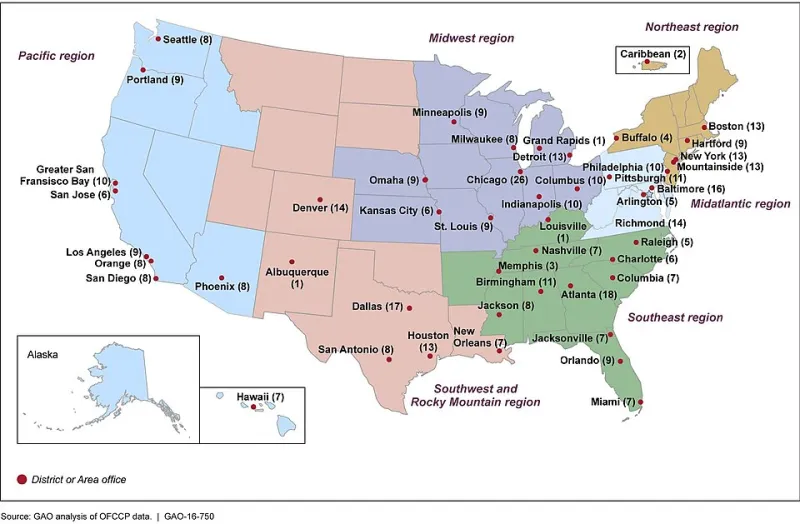
Photo: U.S. Government Accountability Office from Washington, DC, United States, Public domain, via Wikimedia Commons
A fund prospectus describes the strategy, the risks, and the fees. The code of ethics sits elsewhere, usually as an exhibit to the registration statement and often at the back of a long filing. It is not marketing material. It is a set of rules governing how the manager and other access persons may trade for their own accounts.
For long-term shareholders, the code matters because personal trading can create conflicts that are difficult to see in a portfolio. A manager who buys a security before the fund does, or sells ahead of the fund, may be placing personal interests ahead of shareholders. The code of ethics is the fund's attempt to prevent that, detect it when it happens, and set a tone for how conflicts are handled.
Where the Rules Sit
US funds adopt codes of ethics under Rule 17j-1 of the Investment Company Act. The fund, its adviser, and its principal underwriter typically maintain their own codes, and the fund's code is filed as an exhibit to its registration statement. The document is available through EDGAR, though it is rarely featured on a fund's website.
The code applies to access persons: employees, officers, directors, and certain adviser personnel who have information about portfolio holdings or trading. It generally covers personal securities transactions, outside business activities, gifts and entertainment, and the reporting of holdings and trades.
Pre-Clearance: The First Gate
Pre-clearance is the most visible control. Before buying or selling a reportable security, an access person must often obtain approval from a compliance team. The purpose is to catch conflicts before a trade occurs, not after.
Read the code for who grants clearance and how independent that function is. Look for restricted lists, blackout periods around fund trades, and rules on initial public offerings and private placements. These areas carry higher conflict risk because allocations can be limited and information can be uneven.
A strong pre-clearance process has clear denial records, escalation paths, and cooling-off periods. A weak one may allow broad exemptions or rely on the same investment personnel to approve their own requests.
Reporting: Detection After the Fact
Pre-clearance cannot catch everything, so codes also require reporting. Access persons typically file initial holdings reports, annual holdings reports, and quarterly transaction reports. Some codes require duplicate brokerage statements so compliance can verify what was reported.
Look at how the code defines reportable securities and reportable accounts. Mutual funds, exchange-traded funds, government securities, and money market instruments are often excluded. Those exclusions are common, but broad ones can reduce the code's reach.
The reporting obligations also reveal culture. A code that requires timely certifications, annual training, and independent review is more credible than one that leaves verification to the honor system. The existence of a compliance manual is not the same as a compliance process.
Exceptions and the Shape of the Code
Every code contains exceptions. The question is whether they are narrow and explained or broad and routine. Discretionary accounts managed by a third party may be exempt because the access person does not control the trades. Certain small transactions may be exempt to avoid administrative burden. Gifts and entertainment may be permitted below a threshold.
None of these exceptions is automatically improper. But they matter when they accumulate. A code with broad exemptions, limited reporting, and few pre-clearance requirements offers less protection than its length suggests.
Pay attention to how the code handles private investments and outside business activities. These can create conflicts that are less visible than a stock trade. A manager's role at a private company, a board seat, or a consulting arrangement may be more consequential than a small personal trade.
Enforcement and Tone From the Top
The code should describe sanctions for violations, the review process, and the role of the fund's board. Look for language on remedial actions, training, and annual attestations. The board's oversight of the code is a governance signal, though the public record rarely shows every violation.
A code of ethics cannot eliminate conflicts. It can make them visible and manageable. The useful question for shareholders is not whether a fund has a code, because nearly every fund does. The question is whether the code has enough friction, reporting, and independent review to make personal trading a deliberate act rather than an easy one.
When reading a fund's governance materials, treat the ethics code as part of the investment policy. It describes the rules behind the manager's own trades, and those rules are part of the trust that supports a long-term fund relationship.